Dear Shein Shoppers,
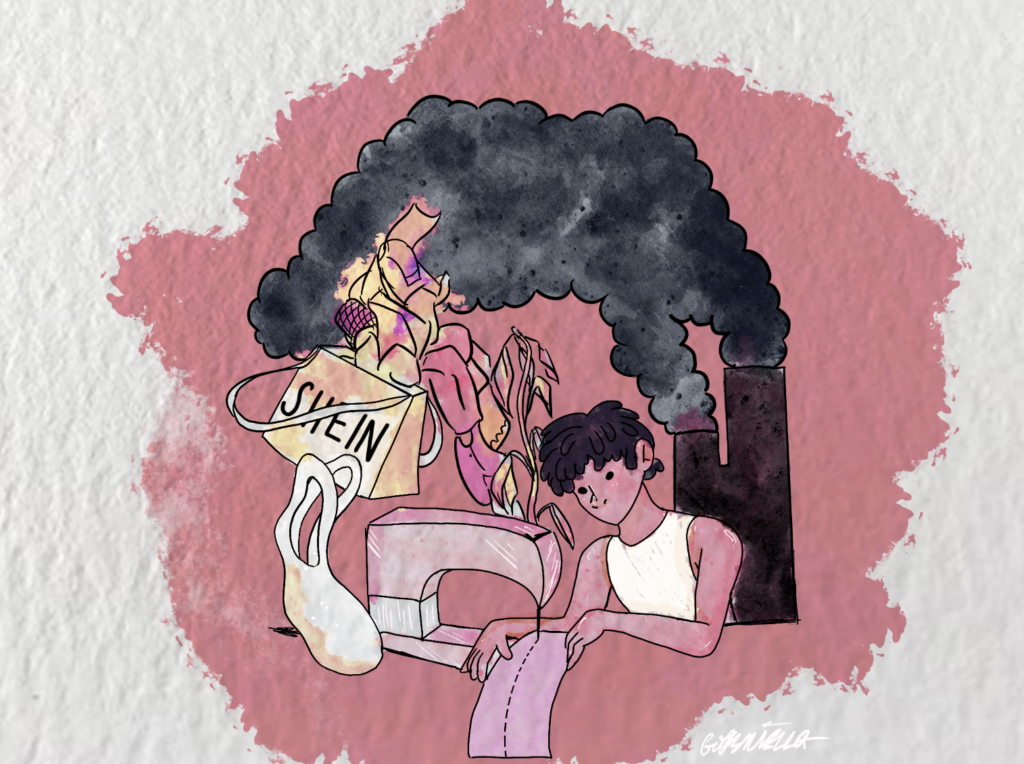
When you scroll through the Shein app or website, I’m sure your jaw will drop at the dazzling collection of beautiful shirts, jeans, and sandals at rock bottom prices. $4.47 for jean shorts?! $9.02 for a summer dress?! At first glance, this company seems to provide the perfect combination of design, selection, and price! However, underneath Shein’s shiny facade lies a dark cavern of exploitation.
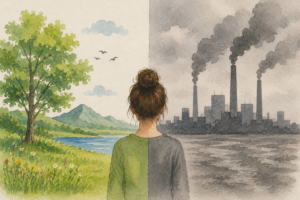
To begin with, as devoted customers, you should be aware that Shein, a fast-fashion company, is responsible for tremendous harm to our environment. The more consumers purchase from Shein, the more the company uses resources such as water, synthetic fibers, and fossil fuels. According to Earth.org, one cotton shirt requires 700 gallons of water to manufacture, and Shein produces these goods in record times. It consumes enormous amounts of energy, so much so that in 2023, the company pumped 16.7 million metric tons of carbon dioxide into the air (Mulkey). The production process has caused water shortages and land degradation, which severely exacerbates the already prevalent climate challenges we face today (Maiti and Chin). Evidently, you should be aware that the relevant trends of “saving the turtles” and using paper straws doesn’t necessarily align with Shein’s practices: wasting resources, injecting chemicals, and degrading land.
But do these purchases actually make that much of an impact? Picture this: a grand sum of two million packages are delivered to consumers’ doorsteps daily. But how does Shein keep up with those orders? Simple: they exploit desperate employees by making them work eleven hours a day and nearly eighty hours a week, twice as much as the average employee in the rest of the world (“A Look Inside Shein’s Factories“). Although consumers aren’t directly contributing to these human rights violations, purchases from Shein indirectly sustain human suffering.
“Shein Village,” located in Panyu, China, operates like a 1960s industrious powerplant (Bicker). To meet the company’s high demands, workers of various ages endure ceaseless hours as they labor at sewing machines and design polyester. In these factories, plastic bags flood the floors and piles of clothing and fabric block the exits, leaving workers trapped and vulnerable (“Dressed to Kill”). What happens in the case of fires and emergencies? According to a 2024 study by The Public Eye, a Shein supervisor allowed employees to evade consequences with even more labor, stating, “Whoever makes the mistake is responsible for putting it right. You have to fix the problem in your own working time” (Classen and Hatchfeld). Bound by the fear of losing their jobs, Shein workers feel obligated to endlessly labor. The higher orders pile, the longer they must work. And the longer they work in these merciless circumstances, their risk of injury or death skyrockets.
Clearly, the environmental and social impacts of Shein altogether damage the Earth. Shein’s cheap clothing comes at a far greater cost than the price tag suggests. Behind every $5 shirt lies excessive water consumption, massive carbon emissions, and factories that push workers beyond safe limits. These environmental and social consequences reveal that fast fashion is far from harmless; indeed, temporary savings result in costly environmental degradation. Shein needs loyal buyers to continue making profit. They rely on your clicks. Sure, it saves money, but is it really worth it to harm thousands of lives for a five dollar pajama set? Although Shein is a multibillion dollar corporation, we have the power to force this company to change. It’s simple, boycott Shein. If we hurt their bottom line, we will uplift their exploited workers and keep our planet green.
Sincerely,
A Former Shein Shopper
The views and opinions expressed are those of the authors and do not necessarily reflect nor represent the Earth Chronicles and its editorial board.